Invasive vs. Non-Invasive Procedures. Which Career Path Is Right for You?
A guide for aspiring aestheticians navigating their training journey
The aesthetic industry is one of the fastest-growing sectors in healthcare and beauty, offering a wide range of career opportunities for those who are passionate about helping others look and feel their best. But for aspiring aestheticians, one of the most common questions at the start of their journey is this: should I specialise in invasive, non-invasive, or minimally invasive procedures — or should I pursue all of them?
The answer depends on your personal goals, your background, and the kind of practice you envision for yourself. In this guide, we will break down each category of aesthetic procedures, explore the skills and qualifications required, and help you determine which training path aligns best with your ambitions.
Understanding the Different Types of Aesthetic Procedures
Before choosing a career path, it is essential to understand the fundamental differences between the types of aesthetic procedures available. Each category involves a different level of clinical intervention and carries distinct responsibilities.
Basic Aesthetic Treatments
Basic aesthetic treatments form the foundation of the industry. These include facials, skin analysis, exfoliation, basic chemical peels, waxing, and other surface-level skincare treatments. These procedures do not break the skin and are generally considered low-risk. They are the ideal starting point for anyone new to the field, providing a thorough understanding of skin types, client consultation, hygiene protocols, and product knowledge.
Non-Invasive Procedures
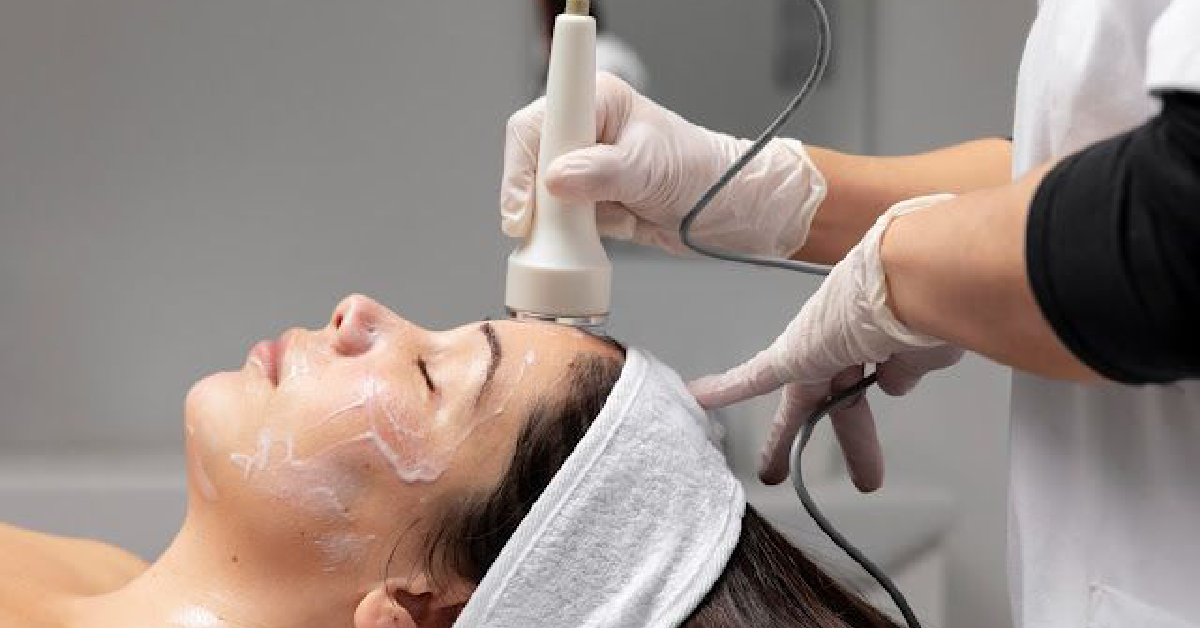
Non-invasive procedures go a step further than basic treatments but still do not involve breaking the skin or using injectable substances. Examples include laser hair removal, LED light therapy, radiofrequency skin tightening, microdermabrasion, ultrasound treatments, and cryotherapy. These treatments use advanced technology to improve the appearance of the skin and body without surgical intervention. Practitioners in this space need a solid understanding of both the technology they are using and the physiological responses of the skin.
Minimally Invasive Procedures
Minimally invasive procedures involve a small degree of physical penetration — enough to deliver targeted treatments beneath the surface of the skin, but without the recovery time or risks associated with full surgery. Common examples include microneedling, mesotherapy, superficial chemical peels, and platelet-rich plasma (PRP) therapy. These treatments are increasingly popular among clients seeking noticeable results without going under the knife, making this a highly rewarding and in-demand area of specialisation.
Invasive Procedures
Invasive aesthetic procedures are the most advanced category and typically involve injections, surgical techniques, or other methods that penetrate deeper layers of the skin or body. Examples include botulinum toxin injections (commonly known as Botox), dermal fillers, thread lifts, and fat-dissolving injections. Practitioners in this area require the highest level of training, as these treatments carry the greatest potential risks and require precision, anatomical knowledge, and strong clinical judgment.
Which Career Path Is Right for You?
Choosing the right specialisation is not a one-size-fits-all decision. It requires honest self-reflection about your goals, your timeline, and the type of client relationships you want to build. Here are some key considerations to help guide your decision.
Consider Your Background and Experience
If you are completely new to the aesthetic industry, starting with a basic aesthetics course is the most sensible and structured approach. This gives you the foundational knowledge of skincare science, client care, and professional ethics before you advance to more technical treatments. Even practitioners who ultimately want to specialise in invasive procedures benefit enormously from starting at the basics — it builds the clinical mindset and attention to detail that is essential at every level.
Think About Your Long-Term Career Vision
Where do you see yourself in five years? If your dream is to run a medical aesthetics clinic offering the latest injectable treatments, then a clear pathway through minimally invasive and invasive training is your ultimate goal. If you are passionate about holistic skincare and prefer a wellness-focused practice, non-invasive and basic treatments may be your calling. Neither path is superior — it is entirely about what excites and motivates you as a practitioner.
Assess the Market Demand in Your Area
The demand for different types of aesthetic treatments can vary significantly depending on your location and target clientele. Urban areas tend to have a higher demand for advanced treatments such as injectables and laser procedures, while smaller communities may have an underserved market for quality basic and non-invasive skincare services. Researching your local market before choosing your specialisation can give you a significant competitive advantage.
Understand the Regulatory Requirements
It is important to be aware that invasive and some minimally invasive procedures are subject to regulatory oversight in many regions. Depending on where you practice, certain treatments may only be legally performed by medically qualified individuals or those holding specific certifications. A reputable aesthetic academy will ensure that its training programmes are compliant with current regulations and will help you understand what qualifications are required to practice legally and safely.
The Benefits of a Comprehensive Training Pathway
Many of the most successful aestheticians do not limit themselves to a single category of treatment. Instead, they build their careers progressively — starting with foundational skills and expanding their expertise over time. Here is why a comprehensive training pathway can be the smartest investment you make in your career:
- Versatility attracts more clients: Offering a full spectrum of treatments — from relaxing facials to advanced injectables — means you can cater to a much broader client base. You become a one-stop destination for aesthetic care, which builds loyalty and increases revenue.
- Foundational knowledge makes advanced training easier: Students who progress through each level of training consistently report that earlier courses gave them the confidence and understanding needed to excel at more advanced techniques. Skipping foundational stages often leads to knowledge gaps that become apparent during complex procedures.
- Professional credibility: Clients and employers alike take notice of practitioners who have invested in a well-rounded education. Holding certifications across multiple treatment categories signals a serious commitment to the profession and a high standard of care.
- Adaptability in a changing industry: The aesthetic industry evolves rapidly, with new technologies and techniques emerging regularly. A broad skill set makes it far easier to incorporate new treatments into your practice as they become available.
How to Choose the Right Academy
Not all training providers are created equal, and the quality of your education will have a direct impact on your career outcomes. When evaluating aesthetic academies, here are the key factors to look for:
- Accreditation and certification: Ensure the academy offers recognised qualifications that are respected by employers and regulatory bodies in your region.
- Experienced faculty: Your instructors should be active practitioners with real-world experience in the treatments they are teaching — not simply theoretical educators.
- Hands-on practical training: The most important skills in aesthetics are learned through practice. Choose an academy that offers substantial clinical training with real clients in a supervised environment.
- A structured progression pathway: Look for an academy that offers courses across all levels — basic, non-invasive, minimally invasive, and invasive — so that you can continue your education under one roof as your career progresses.
- Ongoing support and mentorship: The best academies do not just train you and send you on your way. They provide ongoing support, refresher sessions, and access to a professional community even after you have completed your qualification.
Final Thoughts
Whether you are drawn to the artistry of non-invasive skincare, the precision of minimally invasive techniques, or the transformative impact of advanced injectable treatments, there is a rewarding career path waiting for you in the aesthetic industry. The most important first step is to start — and to start with the right education.
A well-structured aesthetic academy will not just teach you how to perform treatments — it will teach you how to think like a professional, how to care for your clients, and how to build a practice you are truly proud of. The question is not really about which path is right for you; it is about who you want to become as a practitioner — and that journey begins with a single course.
Ready to take the first step? Explore our full range of aesthetic training courses today.